Professional fire & fuel · Restaurant business
Restaurants don’t just need charcoal. They need steady heat and a cost they can control.
KINGBE has more than 80 years of experience in charcoal and fuel for the restaurant trade in Thailand. We start with your grill, your menu, your service hours and your cost target — then recommend the fuel that fits.
KING BE / 01 · Starting prices
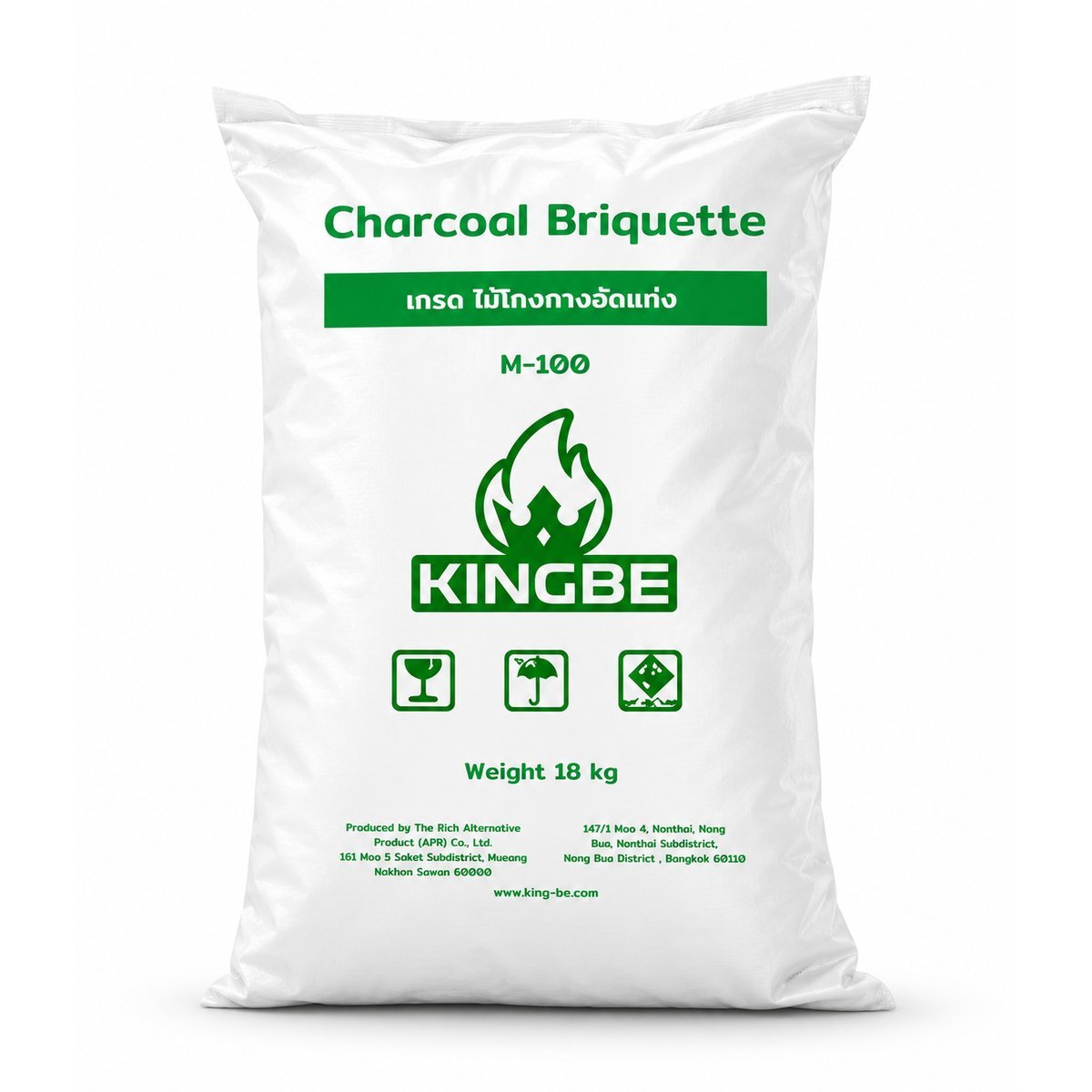
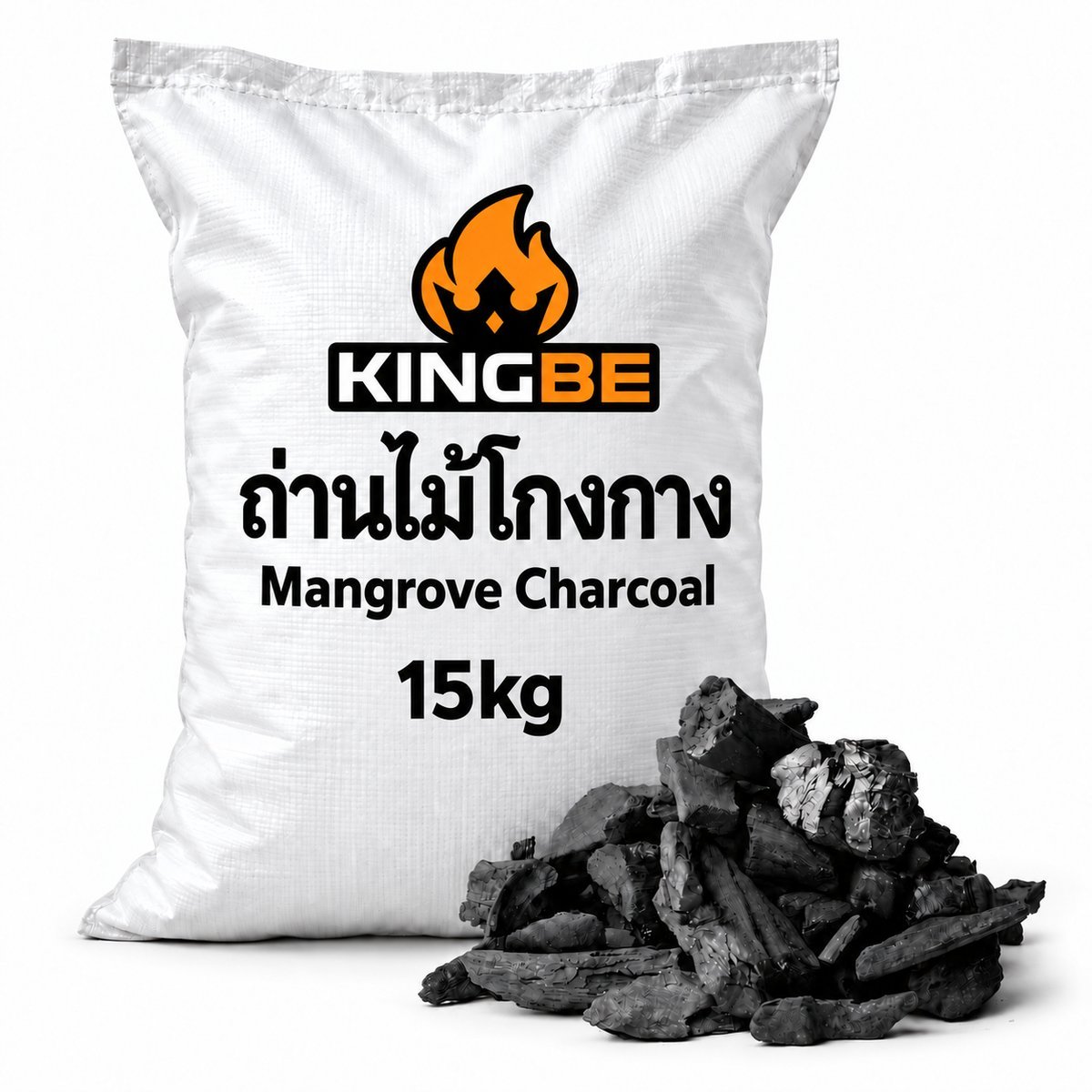
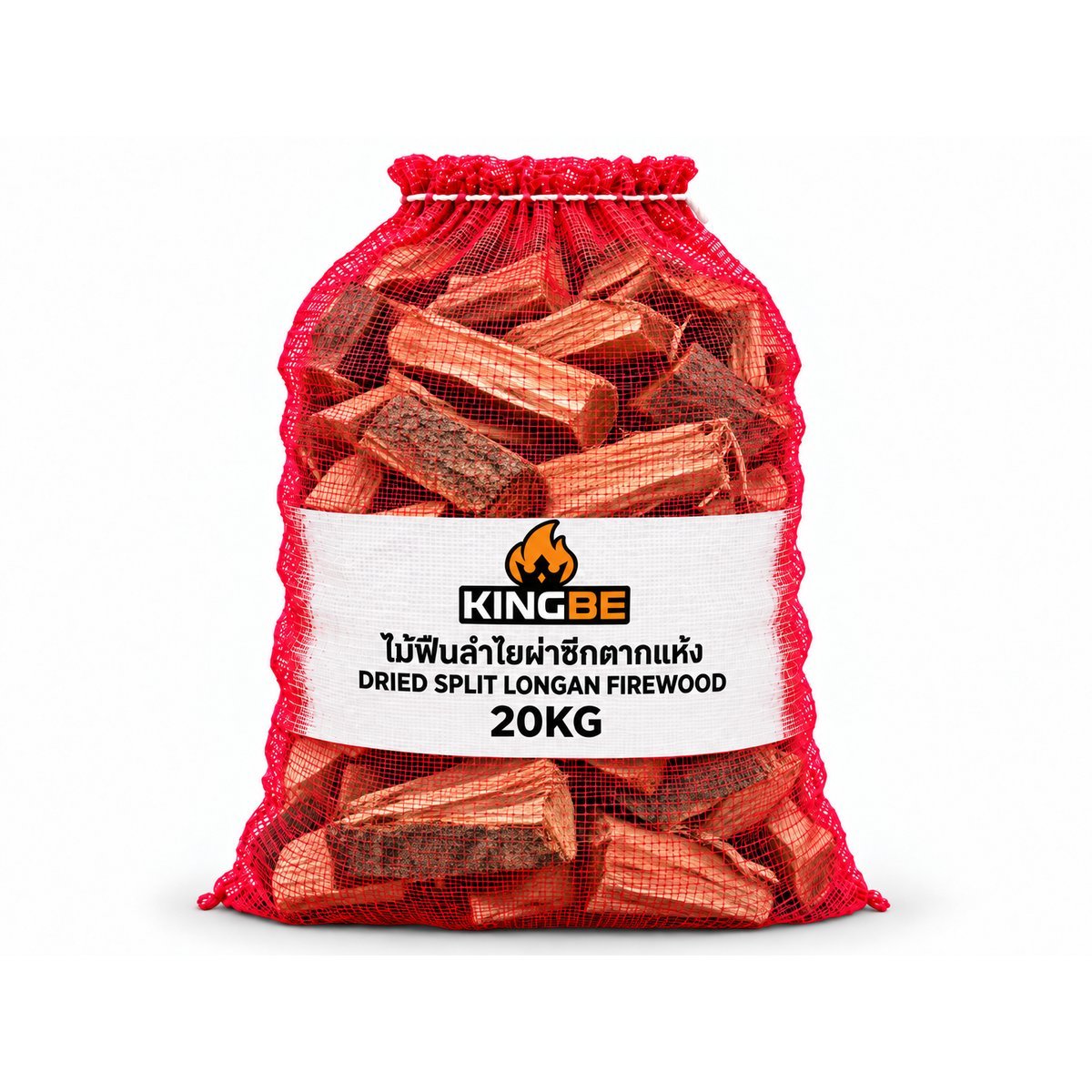
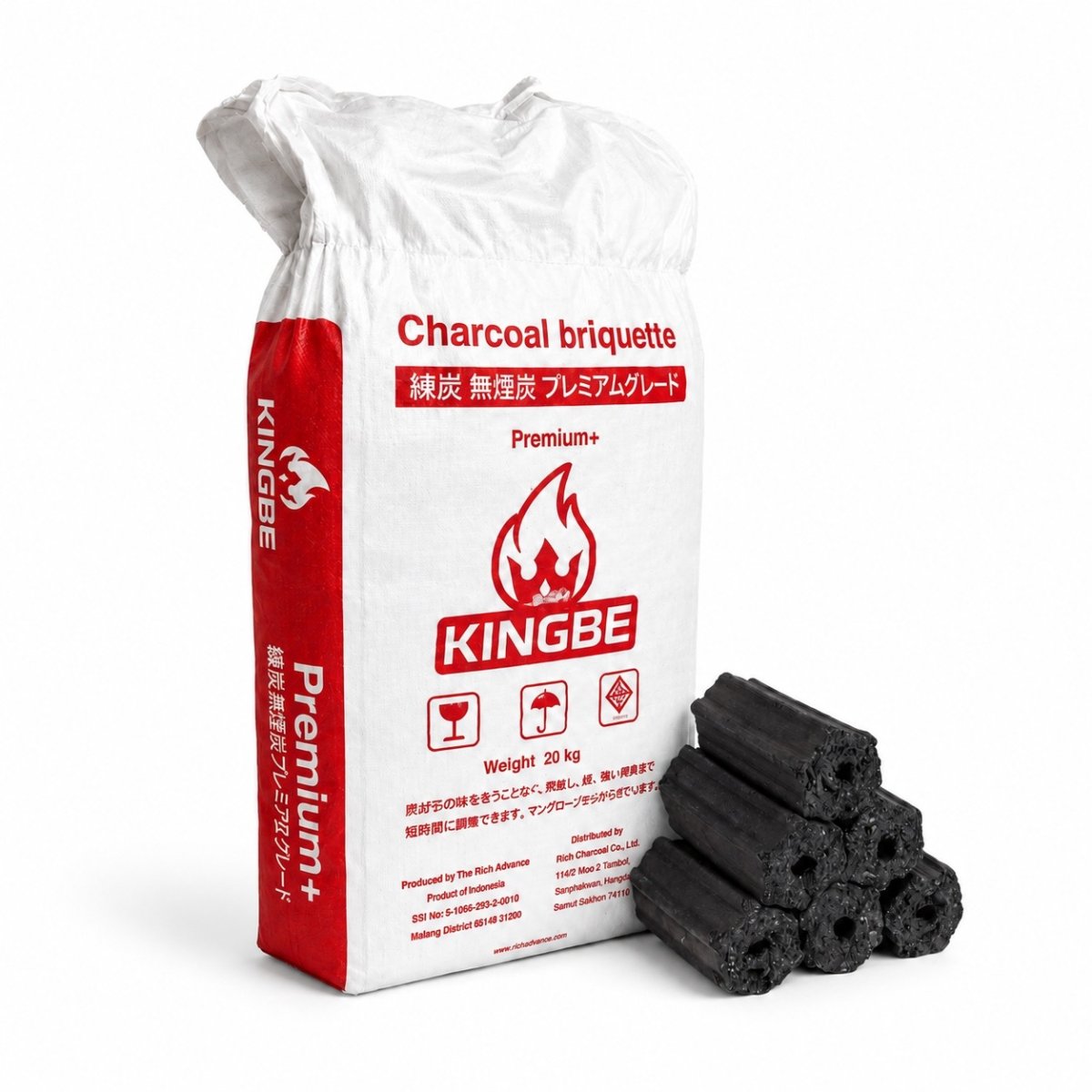
Starting prices — the models restaurants reorder most
Wholesale price per sack, collected from our Bang Bon 4 warehouse, Bangkok. Tell us your quantity and delivery area on LINE and we’ll quote a delivered price right away.
KING BE / 02 · Restaurants and organisations that choose KINGBE


KING BE / 03 · Why KINGBE
4 reasons restaurants in Thailand choose KINGBE
Charcoal doesn’t only differ in price. It differs in heat, smoke, smell, ash and real cost per day — which affects your kitchen team, your guests’ experience and your margin.
Steady, consistent heat
Stable temperature through the whole service. Fewer top-ups, no interruptions, every plate comes out the same.
Low smoke, clean aroma
Doesn’t bother guests or the front of house, and doesn’t mask the food — especially premium beef and seafood.
Low ash
Quick to clean, grills stay tidy, less end-of-shift work for the kitchen team, and a more professional look.
Predictable daily cost
Long burn time means fewer pieces per service — so fuel cost per day can actually be calculated and controlled.
We start from how you cook — not from a product code.
We recommend fuel based on your menu, your grill, your service cycle and how your business runs — before we recommend a model. The KINGBE team will ask for a few details from your kitchen, such as a photo of the grill and how you use it.
KING BE / 04 · Restaurant fuel guide
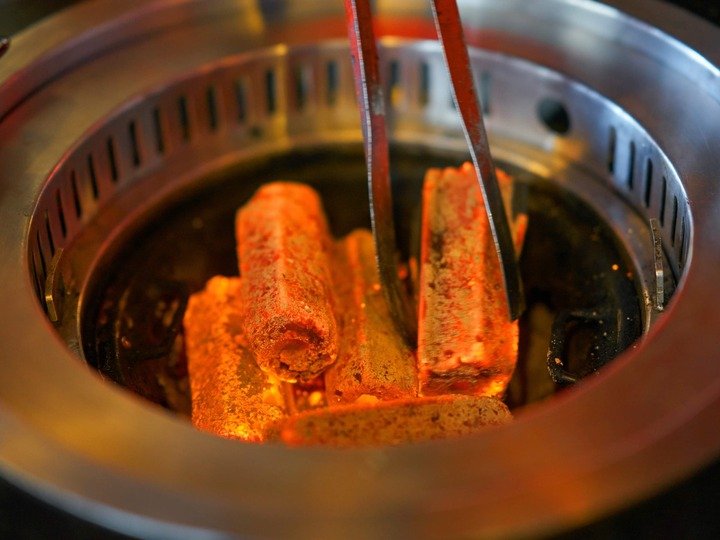
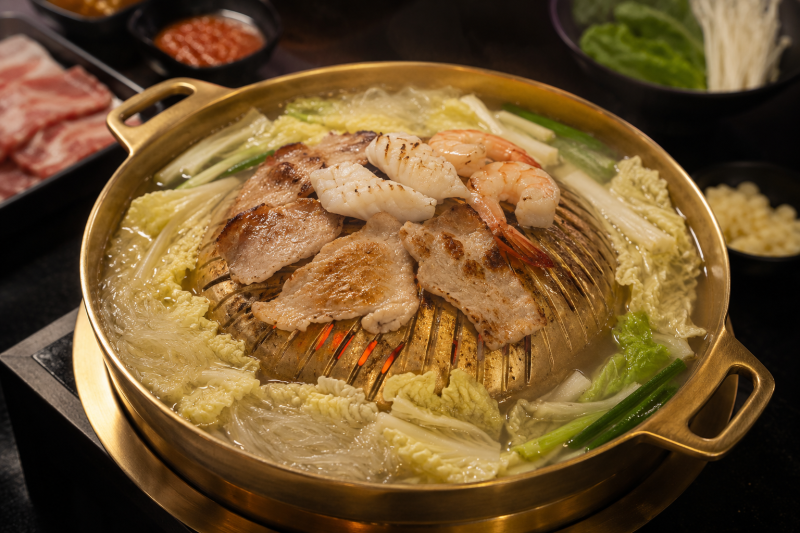
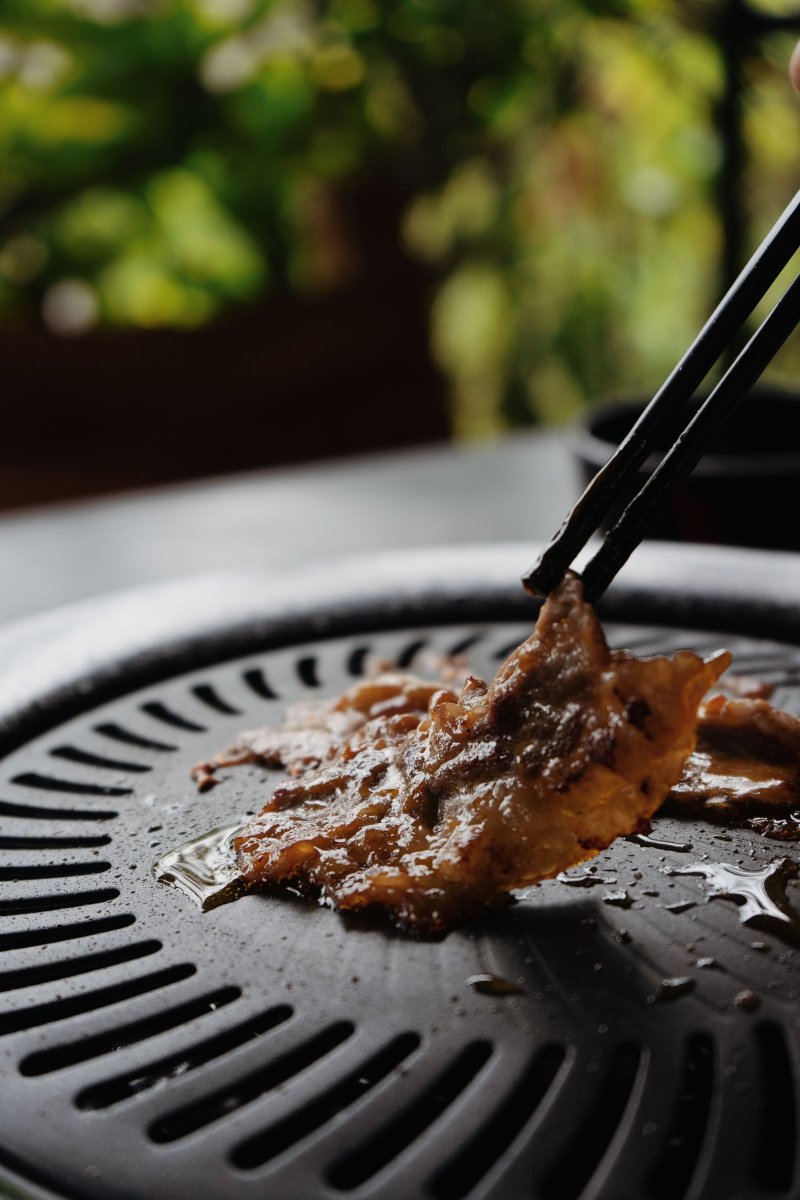
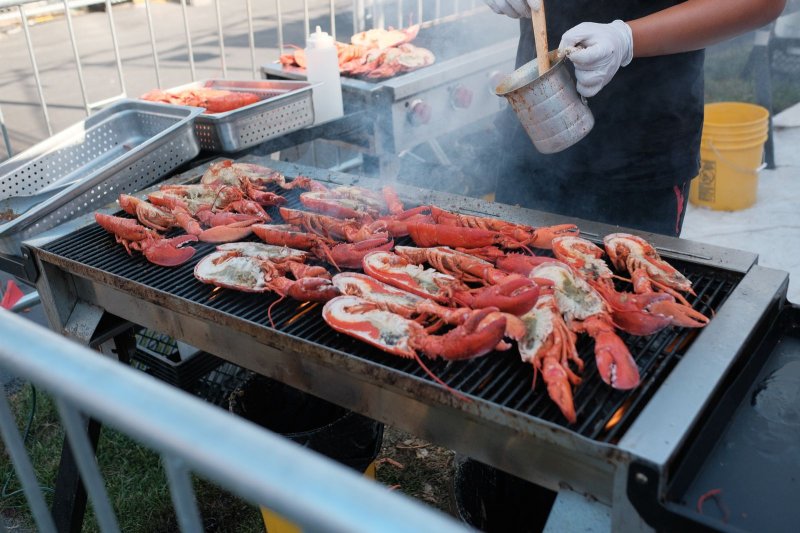
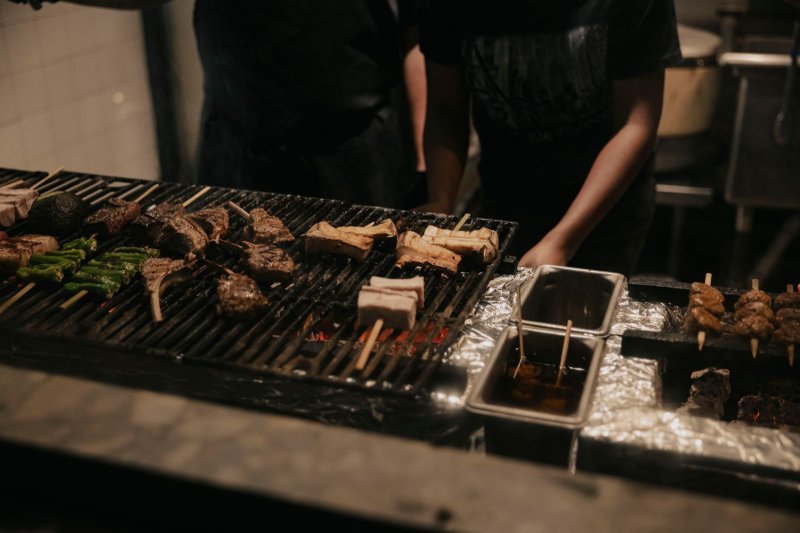
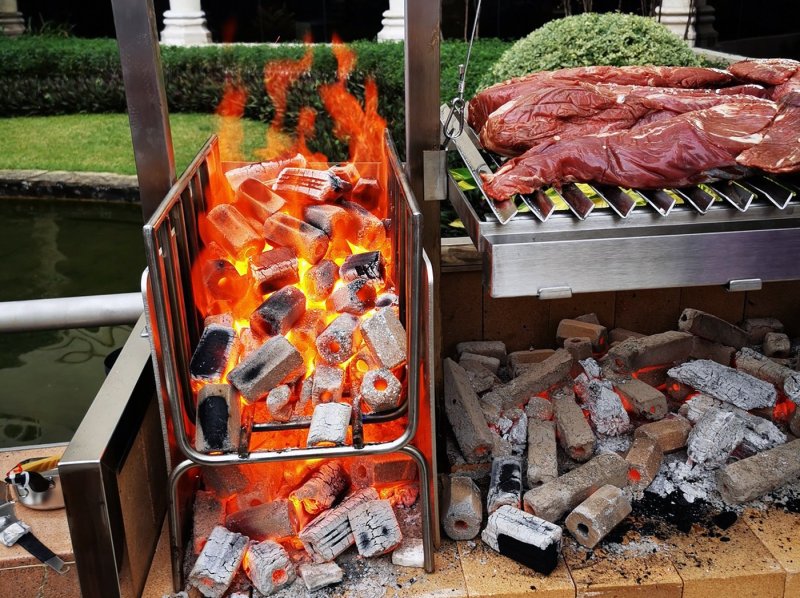
Choose charcoal by restaurant type
Find your kind of restaurant, then open the guide for the right model, temperature and burn time.
KING BE / 05
The models restaurants choose most
Every model is made in our own factory. Available in 20 kg sacks and 10 kg boxes.
Model 1000
- Temperature
- 550–650°C
- Burn time
- 3–5 hrs
- Ash
- Very low
Model 700
- Temperature
- 500–600°C
- Burn time
- 3–5 hrs
- Ash
- Low
Model 500
- Temperature
- 450–500°C
- Burn time
- 3–5 hrs
- Ash
- Low
M-109
- Temperature
- 400–425°C
- Burn time
- 1–2 hrs
- Ash
- High
KING BE / 06 · Restaurant fuel comparison
Compare real specifications
The same data as the product pages, so your kitchen and purchasing teams can compare in one view.
| Model | Raw material | Temperature | Burn time | Ash |
|---|---|---|---|---|
| Model 1000PremiumPlus | Coconut shell | 550–650°C | 3–5 hrs | Very low |
| Model 700Turbo 700 | Coconut shell | 500–600°C | 3–5 hrs | Low |
| Model 500Pure Coco | Coconut shell | 450–500°C | 3–5 hrs | Low |
| M-109Model 100 | Mangrove wood | 400–425°C | 1–2 hrs | High |
KING BE / 07
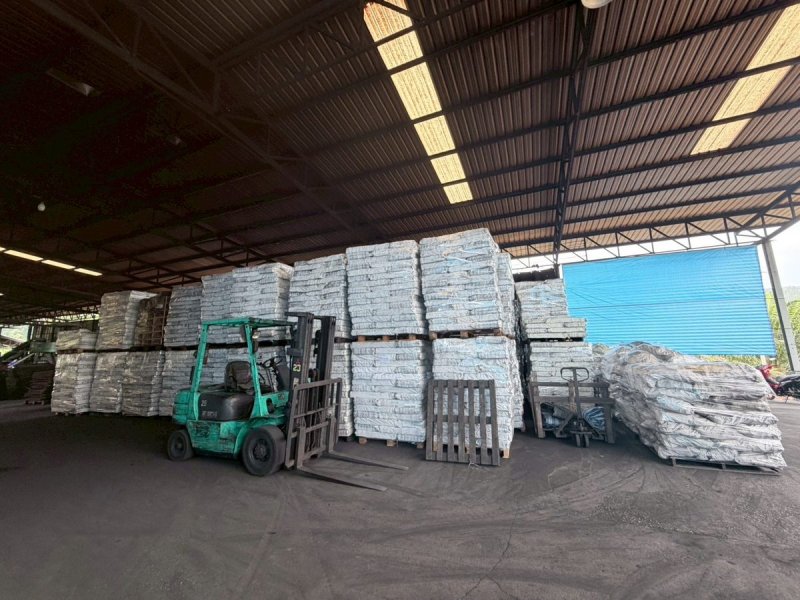
We manufacture — and control the process ourselves
Continuity of supply and batch-to-batch consistency matter to both the kitchen and the purchasing department.
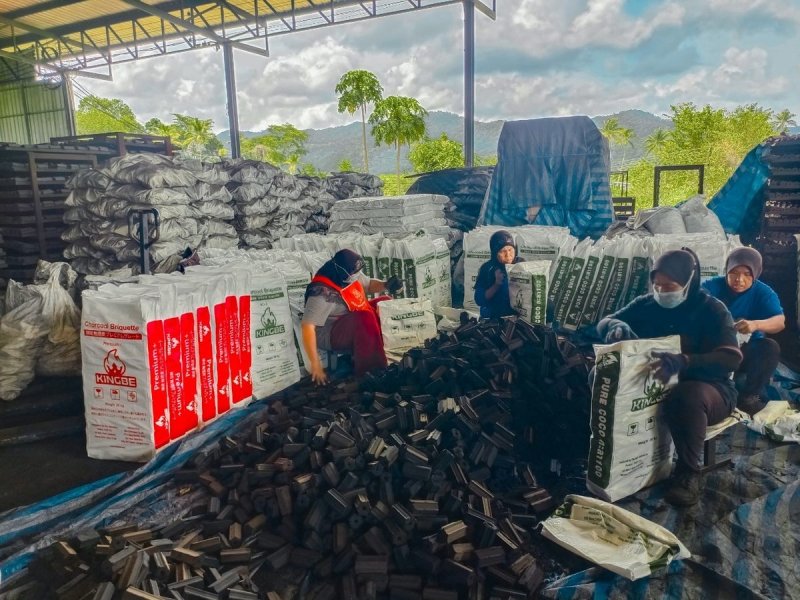
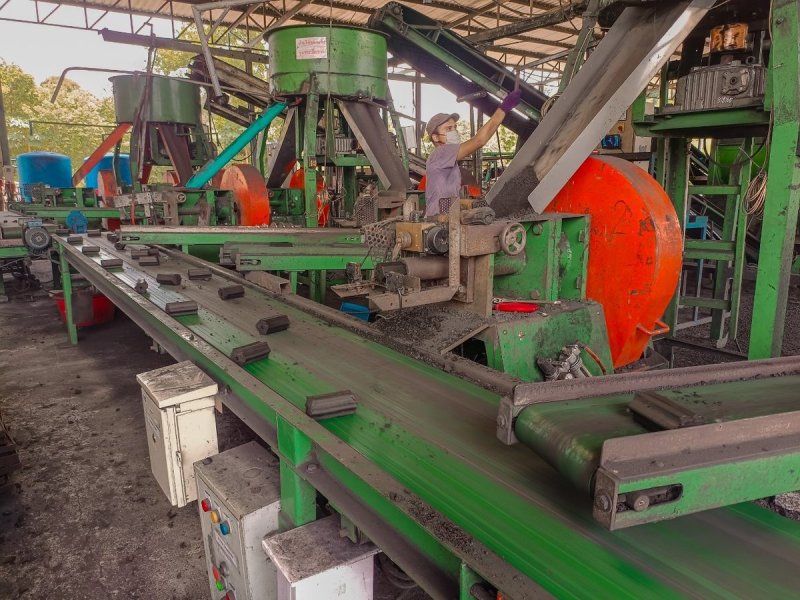
Quality controlled from the raw material
We make every step ourselves and keep the heat of every batch close to the last, so your kitchen doesn’t have to change how it works when a new batch arrives.
Stock ready, supply continuous
Built for businesses that use large volumes regularly — including peak periods when demand rises.
Full documentation for business
Full-form tax invoice (VAT) on every order. Set up for hotel and restaurant-chain procurement.
KING BE / Knowledge
Knowledge from the grill
What four generations of living with charcoal have taught us.
How to choose the right charcoal for grill & Korean BBQ restaurants
Start with three questions: what is the main menu, how long do guests sit at the grill, and what daily cost do you need to hit?
Read more →Why quality charcoal affects your restaurant’s cost and food taste
Heat, burn time, smoke, ash and flavour compared — and which kind of restaurant suits which kind of charcoal.
Read more →Charcoal cost per table — how to calculate it properly
Price per sack is not your real cost. See how to work out fuel cost per selling hour with everything included.
Read more →KING BE / 09
Frequently asked questions
Start with the type of grill, the menu, opening hours, service cycle and the problem you’re trying to fix — heat dropping too fast, too much smoke, too much ash, or topping up too often. Then compare the models that fit your actual service.
Coconut shell briquettes burn hotter, longer and with less ash — best for yakiniku and Korean BBQ. Mangrove wood briquettes and lump charcoal light faster and cost less per sack — best for mookata, buffets and seafood grills.
A cheaper sack that burns out faster needs more top-ups per service, more staff time and more cleaning. Compare cost per hour of service, not price per sack.
Yes. We make our charcoal at our own factory in Satun province and distribute from our warehouse in Bang Bon, Bangkok — no middlemen.
Yes. Full-form VAT tax invoice on every order, scheduled delivery rounds, and an English-speaking sales team for purchasing departments.
Need help choosing the right model for your kitchen?
Send us a photo of your grill, your menu and how you use it on LINE. The KINGBE team will analyse it and recommend a model — you can request a sample to test before you decide.
Your grill
Send a photo, the size and the type of grill so we can match the model to how you cook.
Menu & service cycle
Your menu and service hours decide the heat level and burn time you need.
The problem to solve
Smoke, heat dropping, ash or cost — tell us, and we’ll use it to make the recommendation.
 MakeWebEasy