Charcoal Cost Per Table: How to Know If Cheap Is Really Cheap
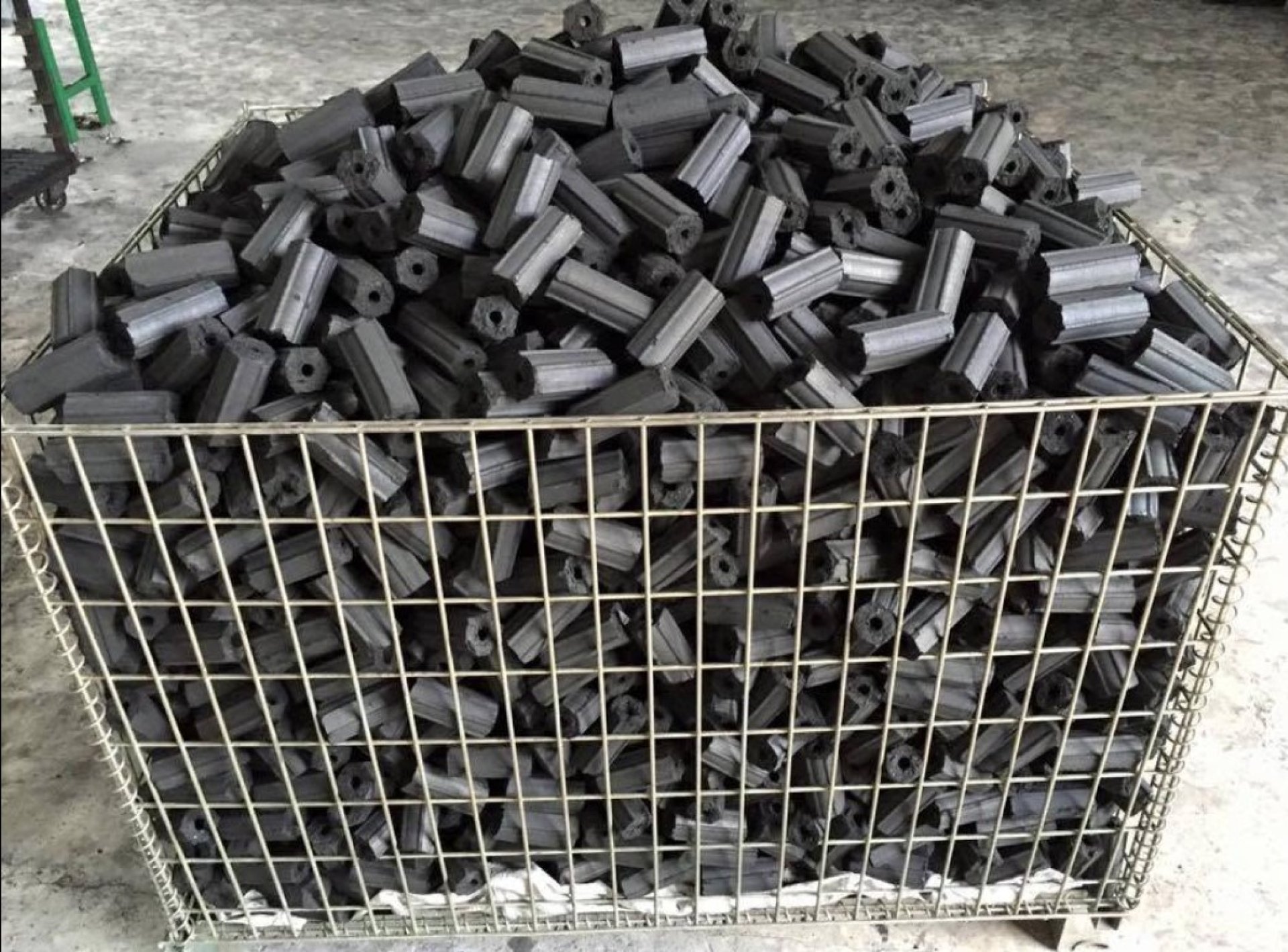
Most restaurant owners compare charcoal by price per kilogram, which is the most misleading number in this business. Charcoal that is three baht cheaper per kilo but burns out faster and needs topping up more often can easily end up more expensive once you look at cost per table.
Three numbers worth comparing
- Charcoal cost per table
- Charcoal cost as a percentage of revenue
- Staff minutes spent on charcoal per day
Step 1: cost per table
Cost per table = (price per kilo x kilos used per month) divided by tables served per month.
You need three figures: the price per kilo from your invoices, the kilos actually consumed in the month, and the number of tables served from your POS.
Watch out: do not use purchase volume in place of actual consumption. If stock went up or down that month the figure is wrong. Use purchases plus opening stock minus closing stock.
Worked example
The figures below are illustrative only, not real prices. Substitute your own.
| Charcoal A (cheaper) | Charcoal B (dearer) | |
|---|---|---|
| Price per kilo | 20 THB | 26 THB |
| Used per table | 1.2 kg | 0.8 kg |
| Cost per table | 24 THB | 20.8 THB |
Charcoal B is 30 percent dearer per kilo but 13 percent cheaper per table, and that is before the hidden costs below.
Measure the consumption per table of the charcoal you use now, then trial a sample from another supplier under identical conditions: same grills, same shifts, same staff, at least three days.
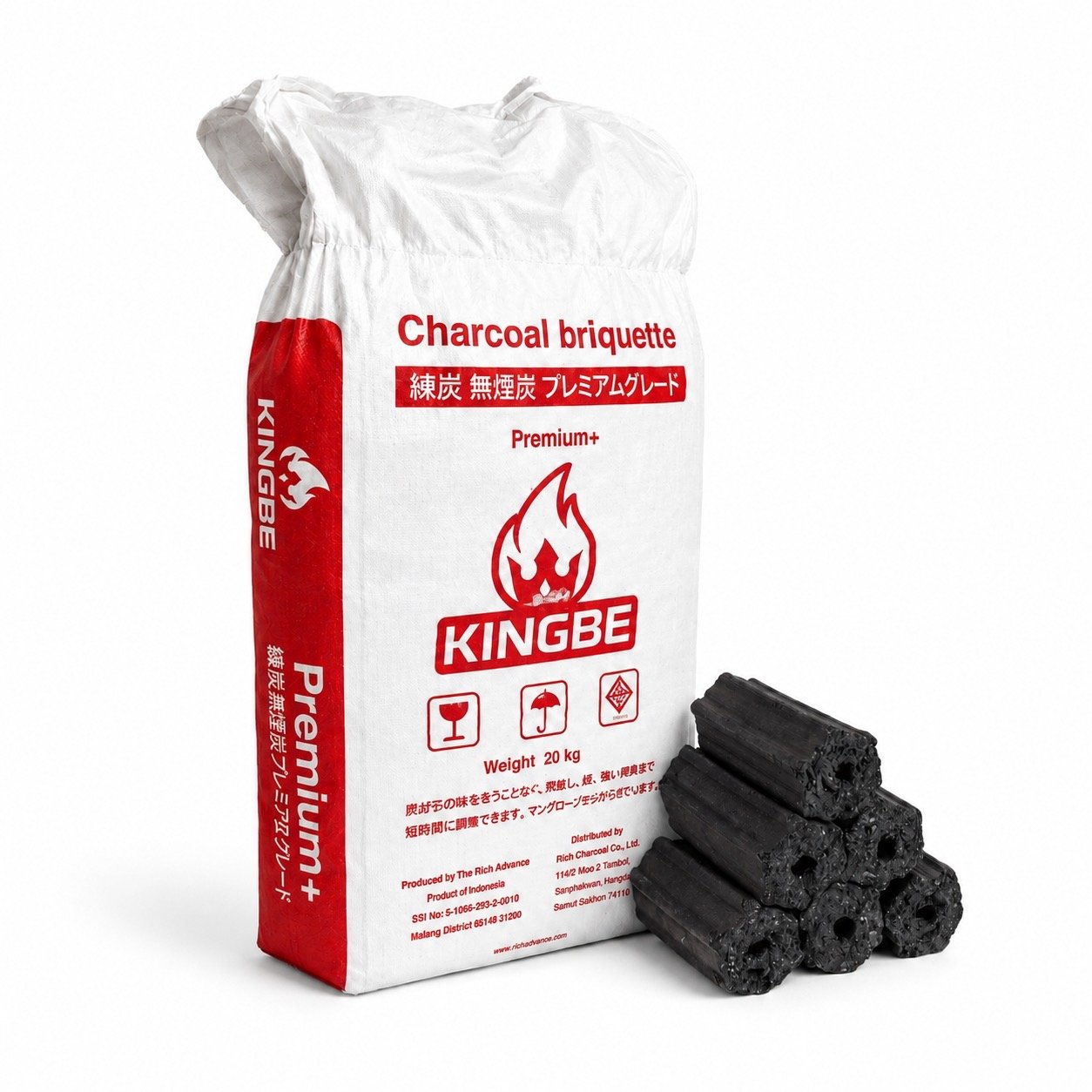
Run the trial with one sack size and one grill type so the comparison is fair. Kilograms used divided by tables served is the only number that matters.
Step 2: add the four hidden costs
1. Staff time spent lighting and topping up
If one staff member spends 90 minutes a day on charcoal at 60 THB an hour, that is 90 THB a day, roughly 2,700 THB a month. Charcoal that lights faster and lasts longer can halve that, which often saves more than the difference in charcoal price.
2. Covers lost while waiting for charcoal
During the rush, a table held up because the charcoal is being changed is revenue you do not get. Two lost turns a day at an average of 600 THB per table is 1,200 THB, more than a full day of charcoal.
3. Ash and cleaning
High-ash charcoal means clearing grills more often and closing later. It never shows up on the charcoal invoice; it shows up in overtime.
4. Customers who do not come back
The hardest to measure and the most expensive. If your reviews keep mentioning smoke or the smell in clothes, that is a cost you are already paying.
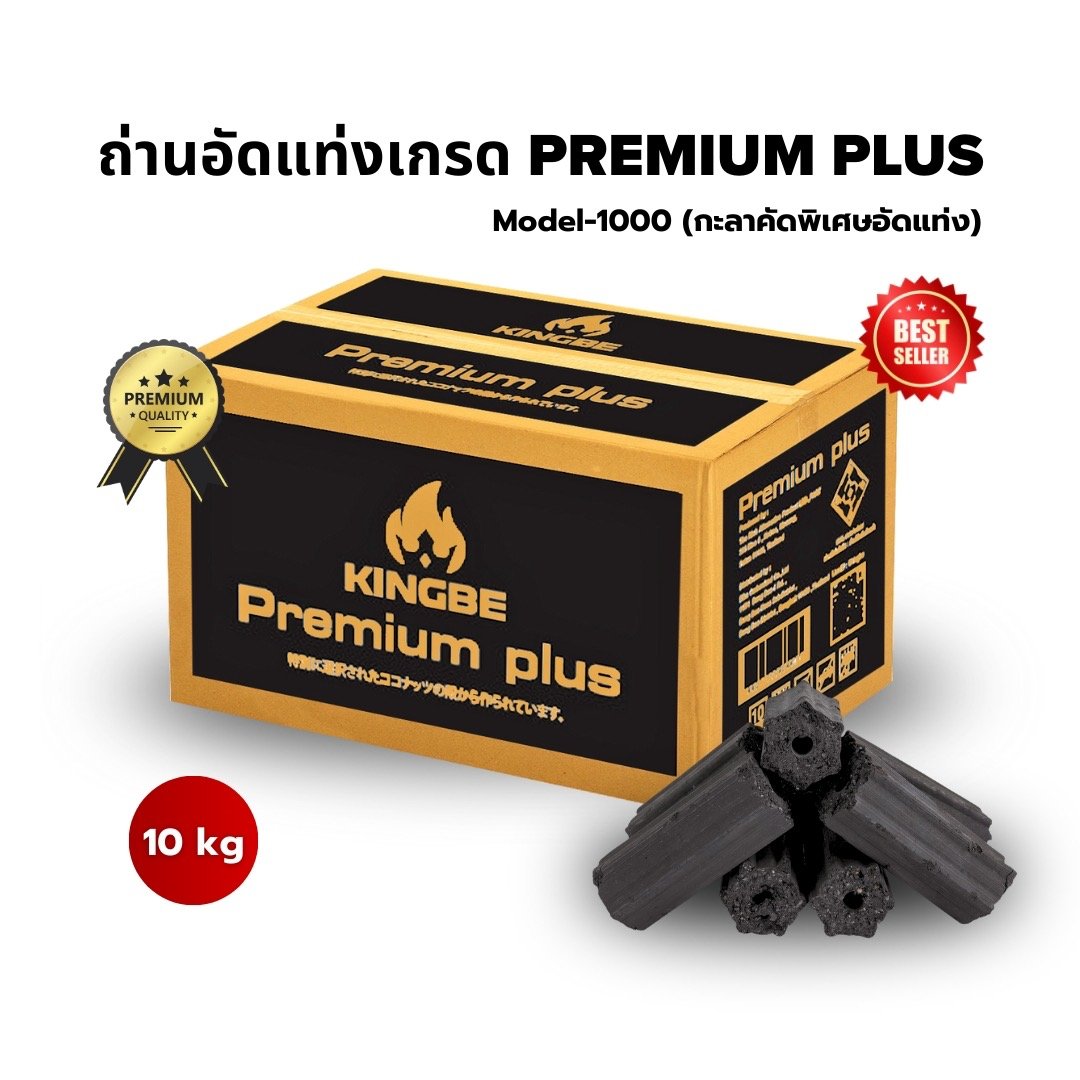
A longer burning grade costs more per kilo and less per table, because it moves staff time, ash handling and lost covers off the bill.
Step 3: express it as a percentage of revenue
Charcoal cost percentage = (monthly charcoal spend divided by monthly revenue) x 100.
This number is useful because it compares across months even when sales differ. Track it monthly. If it creeps up while sales stay flat, something has changed: a weaker charcoal batch, or a change in how staff work.
Common mistakes when comparing
- Comparing different pack sizes. A 20 kg sack and a 10 kg sack cannot be compared by price per sack. Convert to price per kilo first.
- Trialling for a single day. A quiet day and a full house consume differently. Collect at least three days.
- Changing several things at once. New charcoal plus new grills means you will not know which moved the number.
- Ignoring dust. Charcoal fines you cannot use are money paid for heat you never received.
So which charcoal should you choose
There is no single answer, but there are useful rules.
- High-volume, fast table turnover. Consistency and burn duration matter more than price per kilo, because topping up mid-service costs both staff time and customer experience.
- Food-led restaurants. Smoke and smell affect the food directly, so pick a low-smoke grade. Coconut shell briquettes are the usual choice.
- Multi-site operators. Batch-to-batch consistency beats a price difference. If each branch gets a different quality, you cannot hold a standard.
Browse the full product range to compare grades, or read more about KINGBE.
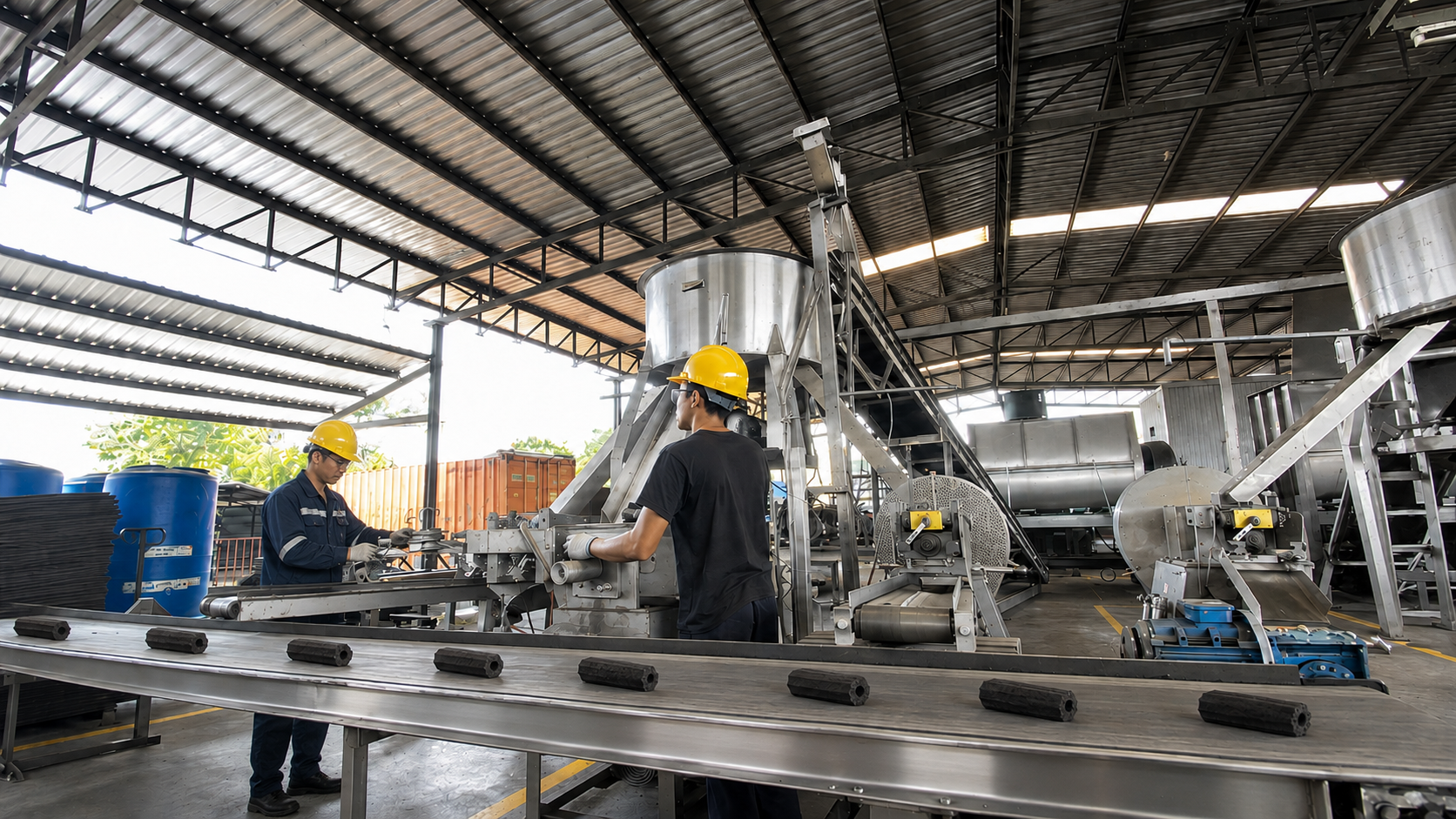
Buying from the factory means one specification across every batch, which is what makes a cost per table figure hold from month to month.
Want us to run the numbers for you
Send us three figures and we will work out your cost per table: kilos used per month, tables served per month, and what you currently pay per kilo. We will tell you plainly whether switching to us would be worth it or not.
Get in touch. KINGBE, charcoal briquette manufacturer in Satun, Thailand, supplying restaurants and hotels nationwide.